Independent recommendations for jewelry photography. Ratings combine hands-on use with the product's standing across major retailers and reviews. How we pick. Prices are approximate and change often, so check the retailer for the latest. Some links are affiliate links; we may earn a commission at no cost to you.
Key takeaways
- Resolution above 24 megapixels gives you enough headroom to crop tight on small gemstones without losing detail
- Color accuracy matters more for jewelry than for almost any other product category; a camera that shifts hue even slightly makes gold look wrong
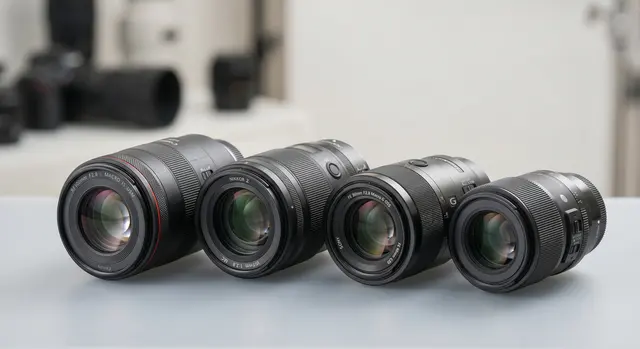
- Macro lens support is non-negotiable; the body means little if your mount limits you to poor close-focus options
- Tethered shooting lets you review focus on a large monitor in real time, which saves hours of reshooting
What Actually Matters for a Jewelry Camera
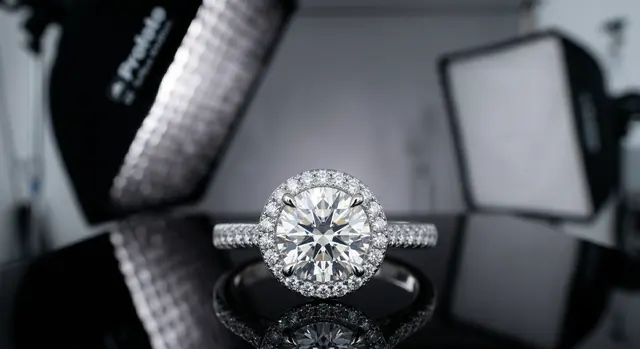
Jewelry is unforgiving. A ring face is 10 to 20 mm wide. A diamond has facets measured in fractions of a millimeter. Every choice you make about your camera shows up at that scale, so it is worth understanding exactly which specifications do the real work.
Resolution. More megapixels let you crop into a small piece and still have enough pixels left for a sharp image at display size. For most jewelry work, 24 megapixels is the practical minimum. At 36 megapixels or above you can crop aggressively for detail shots without recomposing, which speeds up studio sessions significantly.
Color accuracy. Gold has a specific warmth. Diamonds have a specific neutral brilliance. Colored gemstones shift dramatically under even a small white balance error. A camera with good color science and reliable custom white balance reproducibility will save you significant retouching time and produce listings that look accurate on buyer screens.
Macro lens support. No camera is useful for jewelry without a macro lens, and no macro lens works well without a suitable mount. Before buying a body, confirm that the ecosystem has at least one true 1:1 macro option at 50 mm, 60 mm, or 100 mm focal length.
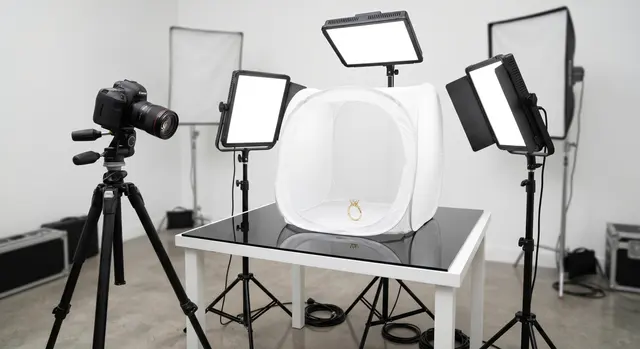
Tethering. Shooting tethered means images flow directly to a laptop or tablet as you shoot. You can review focus, exposure, and color on a large screen before moving to the next frame. For high-volume studio work, tethering is not optional. Check that the body supports your preferred software before committing.
Sensor size. A full-frame sensor collects more light and gives you more control over depth of field. An APS-C sensor costs less and produces a focal-length multiplication that actually works in your favor with macro lenses, effectively increasing working magnification. Micro Four Thirds offers the most compact systems with strong lens options. All three formats can produce excellent jewelry images; the differences matter mainly at the edges of your workflow.
Key Buying Criteria
Resolution
Aim for 24 megapixels as a floor. At 36 megapixels and above you gain meaningful crop latitude for small pieces and tight detail shots without changing compositions between frames.Color accuracy
Look for bodies with reliable custom white balance, raw output that retains full color data, and a reputation for neutral, accurate rendering in still life and product work.Macro lens support
The lens ecosystem is part of the buying decision. Confirm at least one sharp, true 1:1 macro lens exists for the mount you are considering before you commit to the body.Tethering
Native USB tethering to major capture software is the most reliable option. Some bodies also support wireless tethering, which removes cable clutter from the shooting area.By Budget: Which Tier Is Right for You
Entry level (roughly under $800 body-only)
At this tier you are looking at APS-C mirrorless and DSLR bodies that have been on the market long enough to drop in price while still being genuinely capable. Resolution typically sits between 24 and 33 megapixels, which is plenty for jewelry. Color science is good on most modern sensors. The compromises you accept at this price are slower tethering options, fewer autofocus points for live view, and bodies that feel less robust in heavy daily use.
For home studio sellers shooting a few dozen pieces per week, an entry-level body paired with a sharp macro lens is a completely viable professional setup. Many successful small jewelry brands shoot at this tier without limitation.
Mid range (roughly $800 to $2,000 body-only)
The mid tier is where tethering becomes reliable and fast, autofocus accuracy in live view improves noticeably, and resolution steps up to the 33 to 45 megapixel range on the best options. You also gain better color rendering out of sensor, which reduces the gap between a raw file and a finished image.
Bodies in this range are typically full-frame or high-resolution APS-C. Dual memory card slots are common, which matters for studios that cannot afford to lose a session. Build quality is substantially better than entry level, with weather sealing that protects the body in a busy production environment.
This is the tier most working jewelry photographers land in. The jump from entry to mid produces a meaningful improvement in daily workflow speed.
Professional and studio (roughly $2,000 and above body-only)
Pro bodies offer the highest available resolution, with medium-format digital systems reaching 50 to 100 megapixels and beyond. At that resolution, a close-up crop of a 15 mm ring face still contains enough data for a large print or a deeply zoomed e-commerce detail view.
Color accuracy and tonal rendering at the top of the market is the best available from any digital system. Tethering is fast, reliable, and deeply supported by professional capture software. Build quality is designed for daily studio use over years.
The honest caveat for jewelry photographers: unless you are producing billboard prints, shooting for major luxury brands with strict technical requirements, or planning to crop images to extreme detail on a regular basis, a mid-range body with a great macro lens will match or exceed what a pro body delivers in a typical product workflow.
Once you have a body in mind, the lens is the next decision, and it matters more. Our picks below cover a strong option at each budget tier.
Lighting is the other half of the equation. A sharp camera under poor light still produces unusable images. The best lighting for jewelry photography guide covers continuous and strobe options for home and studio setups.
For the full technique side of macro shooting, including settings, focus stacking, and depth of field management, read the macro jewelry photography guide.
Our picks
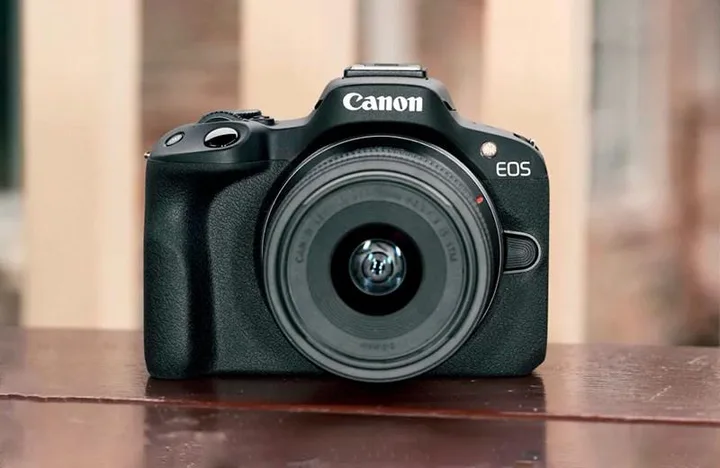
Canon EOS R50
Highly rated across major retailers
An easy entry point. The 24MP APS-C sensor resolves plenty of detail for ecommerce, with reliable color and a light, simple body. Paired with a macro lens it punches well above its price.
Who it's for: Beginners and Etsy sellers starting out
- Sensor
- 24MP APS-C
- Mount
- Canon RF
- Stabilization
- None (lens IS only)
- Autofocus
- Dual Pixel CMOS AF II
- Tethering
- USB-C
- Weight
- 13.2 oz (375 g)
Pros
- Excellent value
- Sharp 24MP detail for cropping
- Light and beginner friendly
Cons
- APS-C, not full frame
- No in-body stabilization
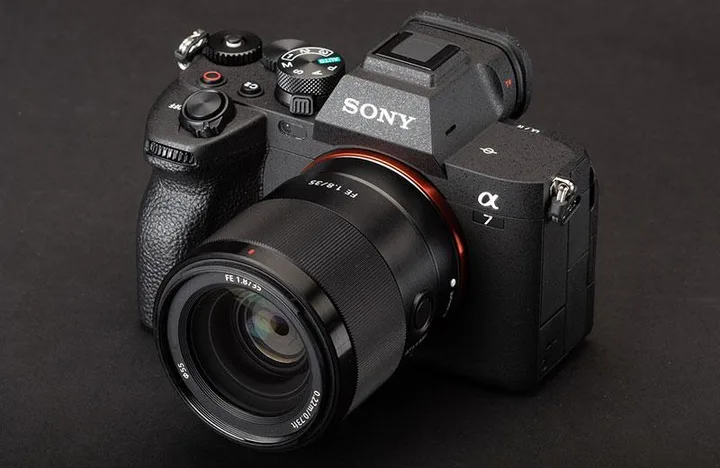
Sony a7 IV
Consistently top-rated for product work
The all-round sweet spot. A 33MP full-frame sensor, excellent color, in-body stabilization, and clean tethering make it a workhorse for serious jewelry and product catalogs.
Who it's for: Working photographers and growing brands
- Sensor
- 33MP full frame
- Mount
- Sony E
- Stabilization
- 5.5-stop in-body
- Autofocus
- 759-point hybrid
- Storage
- Dual card slots
- Weight
- 23.2 oz (659 g)
Pros
- 33MP full-frame detail
- Accurate color and wide dynamic range
- In-body stabilization plus tethering
Cons
- Higher cost
- Needs a quality macro lens
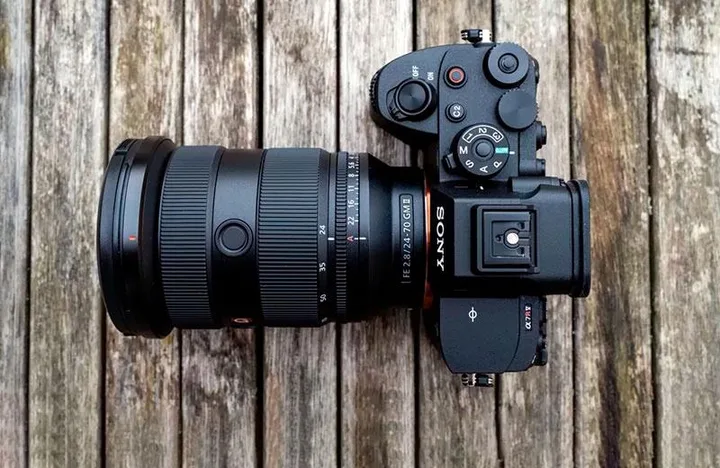
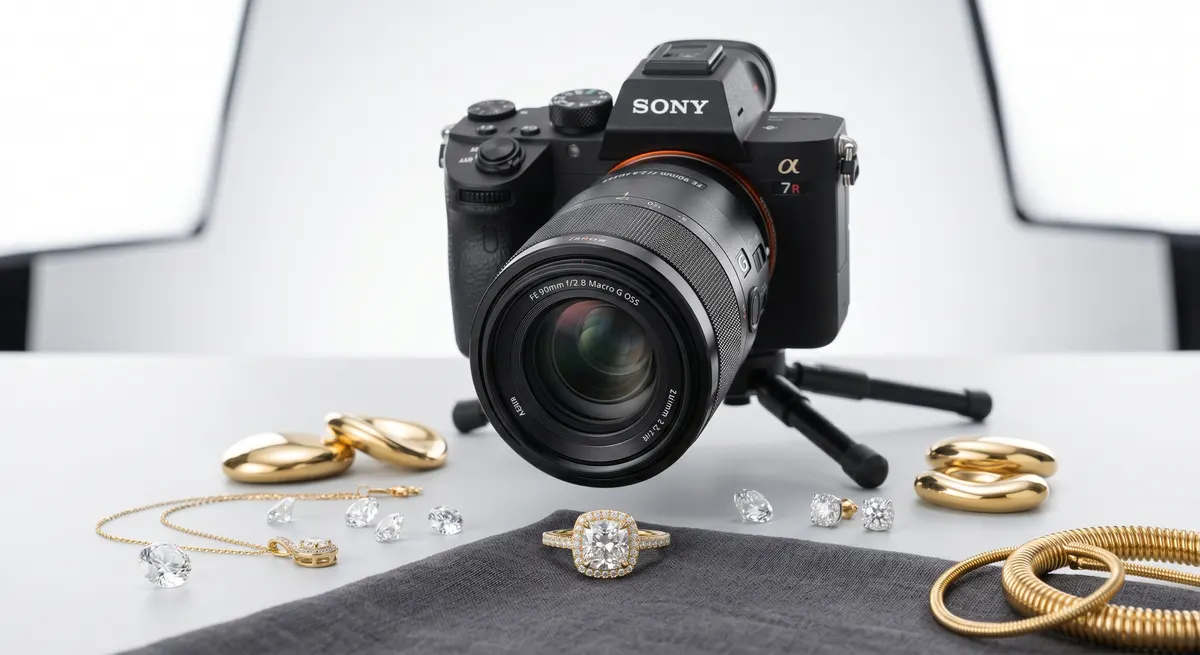
Sony a7R V
Class-leading resolution, top reviews
When maximum detail matters. The 61MP sensor captures every facet and hallmark with room to crop hard, ideal for high-end luxury catalogs and large prints.
Who it's for: Luxury catalogs and large-print detail work
- Sensor
- 61MP full frame
- Mount
- Sony E
- Stabilization
- 8-stop in-body
- Autofocus
- AI-based subject AF
- Storage
- Dual card slots
- Weight
- 25.5 oz (723 g)
Pros
- 61MP captures extreme detail
- Outstanding color and dynamic range
- Pro-grade build and tethering
Cons
- Expensive
- Large files need fast storage
The verdict
For serious jewelry and product work, invest in a body with strong color accuracy and resolution, then pair it with a macro lens. Casual Etsy sellers can start a tier lower and upgrade later. The lens matters more than the body, so do not overspend on the camera and skimp on glass.
Wondering what a shoot costs instead of buying gear? See our jewelry photography pricing guide.